International ME Awareness Day: Understanding Myalgic Encephalomyelitis and Supporting the Millions Affected
International ME Awareness Day, observed every year on 12 May, shines a vital spotlight on Myalgic Encephalomyelitis (ME)—also known as ME/CFS (Chronic Fatigue Syndrome). This global awareness day exists to educate the public, challenge misconceptions, and advocate for better medical recognition, research funding, and support for those living with this devastating condition.
What Is Myalgic Encephalomyelitis (ME)?
Myalgic Encephalomyelitis is a serious, chronic, and often disabling neurological illness that affects multiple systems in the body. Unlike everyday tiredness, ME causes profound exhaustion that does not improve with rest and can worsen after even minimal physical or mental exertion.
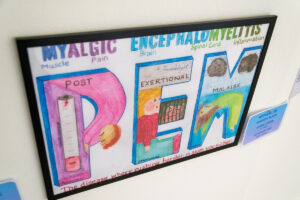
One of the hallmark symptoms of ME is post‑exertional malaise (PEM)—a delayed and prolonged worsening of symptoms that can last days, weeks, or longer after activity that would previously have been manageable.
Common ME symptoms include:
Extreme, persistent fatigue
Post‑exertional malaise (PEM)
Cognitive dysfunction (“brain fog”)
Unrefreshing sleep
Pain in muscles and joints
Sensitivity to light, sound, or temperature
Orthostatic intolerance (symptoms worsening when upright)
ME affects people of all ages, genders, and backgrounds, yet it remains widely misunderstood and underdiagnosed.
Why International ME Awareness Day Matters
For decades, people with ME have faced disbelief, stigma, and inadequate medical care. International ME Awareness Day exists because awareness quite literally changes lives.
Greater understanding leads to:
Earlier diagnosis and better symptom management
Improved medical training for healthcare professionals
Increased funding for biomedical research
Validation and empathy for people living with ME
Despite affecting an estimated 17–24 million people worldwide, ME receives disproportionately low research funding compared to other chronic illnesses of similar prevalence and severity.
The Reality of Living with ME
ME is not just “being tired.” It’s not just “all in your head”. For many, it means losing careers, education, independence, and social lives. Severe cases can leave people bedbound, unable to tolerate light, noise, or conversation.
Simple daily tasks—showering, preparing food, holding a conversation—can feel like running a marathon. Symptoms fluctuate unpredictably, making planning almost impossible.
On International ME Awareness Day, it is important to listen to lived experiences and believe patients when they describe the reality of their illness.
ME and Long COVID: A Growing Conversation
In recent years, increased attention has turned to the link between ME and Long COVID. Many people with Long COVID experience symptoms that closely mirror ME, including post‑exertional malaise and cognitive dysfunction.
This growing overlap has brought renewed urgency—and hope—that ME research will finally receive the attention it deserves. Advances made may benefit millions more people affected by post‑viral chronic illnesses.
How You Can Support International ME Awareness Day
You don’t need to have ME to make a difference. Here are meaningful ways to show support:
Educate Yourself and Others
Share accurate information about ME and correct common myths, especially the idea that it is psychological or caused by lack of motivation.
Share ME Awareness Content
Use social media, blogs, or newsletters to amplify patient voices. The colour blue is commonly associated with ME awareness.
Support ME Charities and Advocacy Groups
Many organisations work tirelessly to fund research, provide patient resources, and advocate for policy change.
Show Compassion
If someone you know has ME, believe them. Respect their limits, understand last‑minute cancellations, and avoid pressuring them to “push through” symptoms.
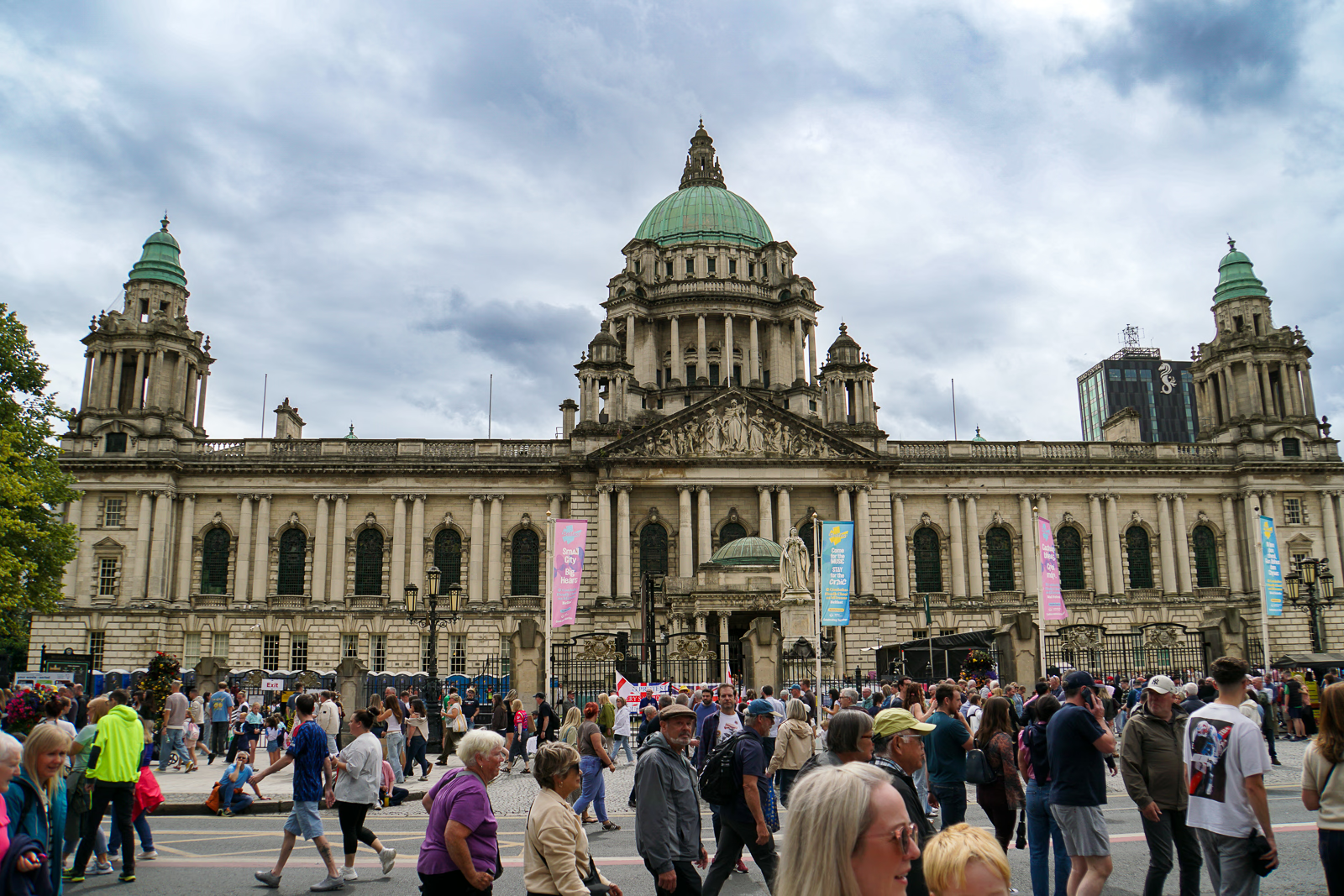
Go and Visit the Hope 4 ME & Fibro NI Art Exhibition
Extended due to popular demand until the end of June. (Map and directions below)
Looking Toward a Better Future for ME
International ME Awareness Day is not just about awareness—it’s about action. People with ME deserve evidence‑based care, social support, and hope for effective treatments.
By raising awareness, challenging outdated beliefs, and advocating for research, we can move closer to a future where ME is properly understood and treated.
Final Thoughts
On 12 May, take a moment to recognise International ME Awareness Day. Awareness is powerful—but empathy, education, and advocacy are what truly create change.
Together, we can make ME visible.
Raising Awareness Through Art and Storytelling
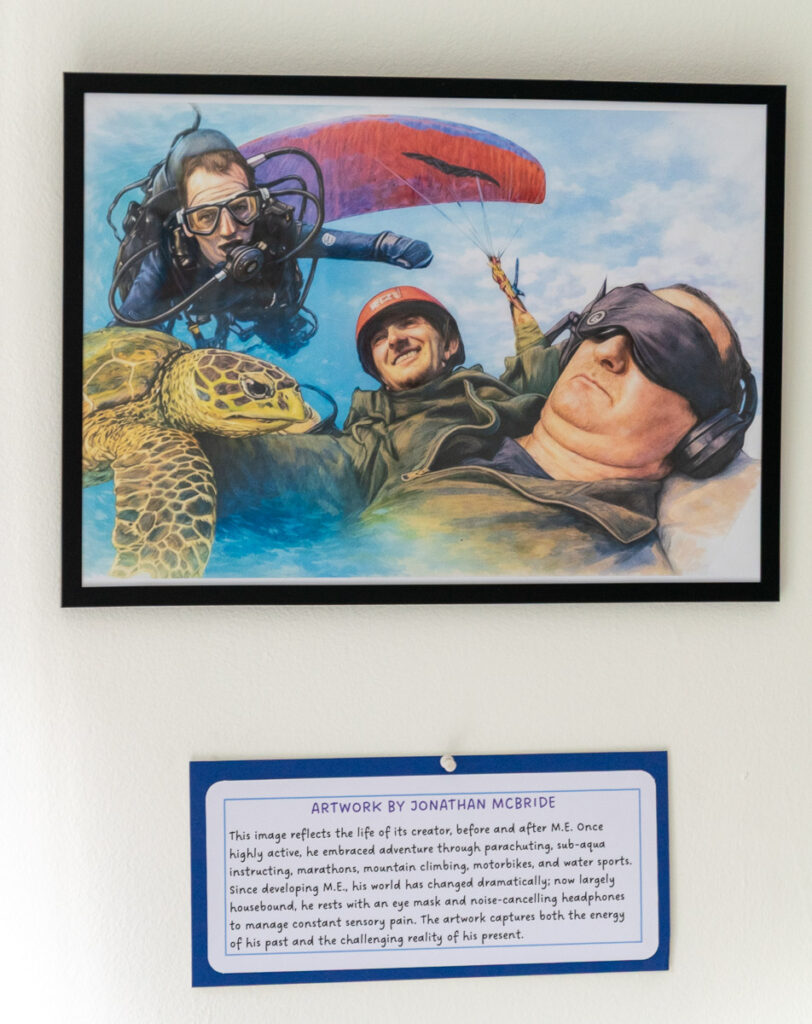
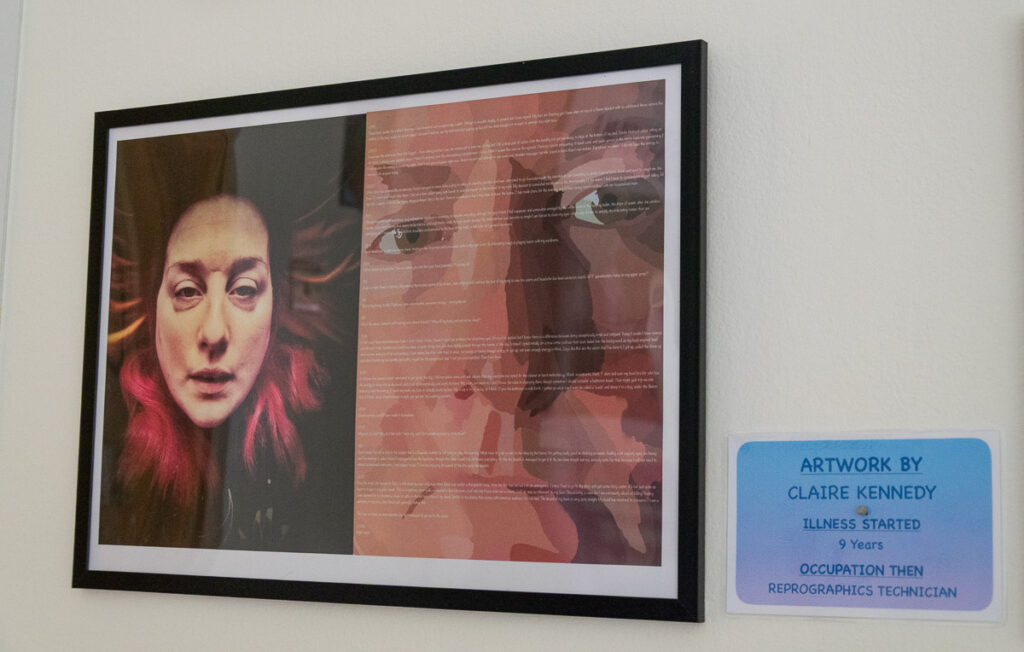
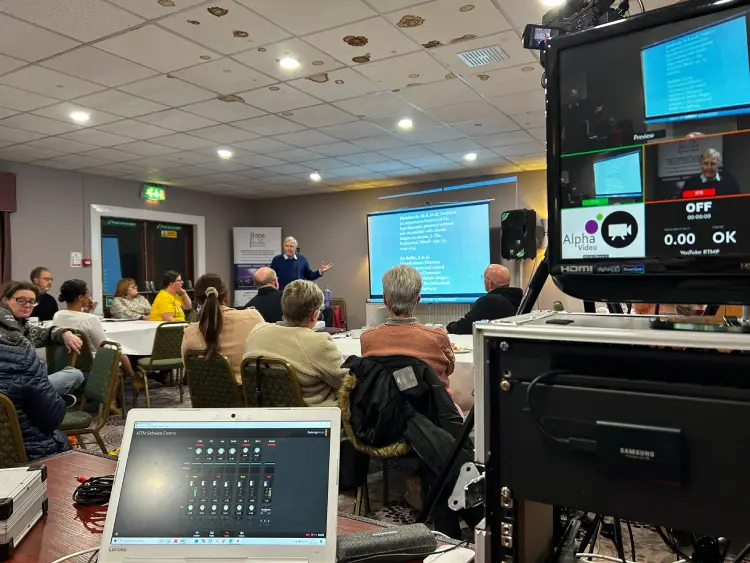
As part of this year’s International ME & Fibromyalgia Awareness Month, I also had the opportunity to contribute creatively by capturing photos and videos at the opening of the Hope 4 ME & Fibro Northern Ireland Craft Group Exhibition in the Millennium Court in Portadown. The exhibition used visual storytelling to explore chronic illness, energy limitation, and the often unseen realities of living with ME.
Art plays a powerful role in ME awareness, helping to communicate what words alone often cannot. Through imagery, movement, and space, the exhibition reflected the isolation, resilience, and humanity of people living with Myalgic Encephalomyelitis. Photographing and filming the opening was a meaningful way to document these stories and extend their reach beyond the gallery walls.
By sharing these visuals online, the aim is to spark conversation, deepen understanding, and remind audiences that ME is not invisible—society has simply not been looking closely enough.
Used to monitor number of Google Analytics server requests
10 minutes
__utmb
Used to distinguish new sessions and visits. This cookie is set when the GA.js javascript library is loaded and there is no existing __utmb cookie. The cookie is updated every time data is sent to the Google Analytics server.
30 minutes after last activity
__utmc
Used only with old Urchin versions of Google Analytics and not with GA.js. Was used to distinguish between new sessions and visits at the end of a session.
End of session (browser)
__utmz
Contains information about the traffic source or campaign that directed user to the website. The cookie is set when the GA.js javascript is loaded and updated when data is sent to the Google Anaytics server
6 months after last activity
__utmv
Contains custom information set by the web developer via the _setCustomVar method in Google Analytics. This cookie is updated every time new data is sent to the Google Analytics server.
2 years after last activity
__utmx
Used to determine whether a user is included in an A / B or Multivariate test.
18 months
_ga
ID used to identify users
2 years
_gali
Used by Google Analytics to determine which links on a page are being clicked
30 seconds
_ga_
ID used to identify users
2 years
_gid
ID used to identify users for 24 hours after last activity
24 hours
_gat
Used to monitor number of Google Analytics server requests when using Google Tag Manager
1 minute
_gac_
Contains information related to marketing campaigns of the user. These are shared with Google AdWords / Google Ads when the Google Ads and Google Analytics accounts are linked together.
90 days
__utma
ID used to identify users and sessions
2 years after last activity
Marketing cookies are used to follow visitors to websites. The intention is to show ads that are relevant and engaging to the individual user.
Name
Description
Duration
sib_cuid
6 months
A video-sharing platform for users to upload, view, and share videos across various genres and topics.
Registers a unique ID on mobile devices to enable tracking based on geographical GPS location.
1 day
VISITOR_INFO1_LIVE
Tries to estimate the users' bandwidth on pages with integrated YouTube videos. Also used for marketing
179 days
PREF
This cookie stores your preferences and other information, in particular preferred language, how many search results you wish to be shown on your page, and whether or not you wish to have Google’s SafeSearch filter turned on.
10 years from set/ update
YSC
Registers a unique ID to keep statistics of what videos from YouTube the user has seen.
Session
DEVICE_INFO
Used to detect if the visitor has accepted the marketing category in the cookie banner. This cookie is necessary for GDPR-compliance of the website.
179 days
LOGIN_INFO
This cookie is used to play YouTube videos embedded on the website.

 One of the hallmark symptoms of ME is post‑exertional malaise (PEM)—a delayed and prolonged worsening of symptoms that can last days, weeks, or longer after activity that would previously have been manageable.